
Craft a Brilliant World, Create a Better Life
National Chemical Leader, Global Engineering Pioneer
United Endeavor, Pragmatic Excellence
Innovation, Responsibility, Expertise, Win-Win
Who We Are
- 12hAfter-Sales Response
- Rapid after-sales response to ensure timely resolution of customer needs
- 99%Delivery Rate
- High delivery rate reflecting reliable supply chain and order fulfillment
- 100%Factory-Exit QC
- Full factory-exit quality control to guarantee product reliability
- 99%On-Time Delivery
- Consistent on-time delivery performance to support project schedules
What Can We Do


Our Responsibility
We are committed to being a leader in green chemistry and a benchmark for responsible development. ESG principles are deeply integrated into our business models, driving low-carbon innovation, safety compliance, and responsible collaboration. We dedicate ourselves to promoting sustainable transformation across the chemical industry.
News
View more
-
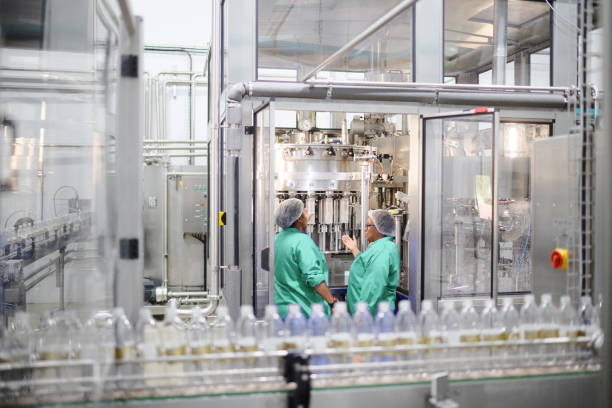
Downstream demand drives the expansion of tetrachloroethane applications
The displacement of legacy chlorinated solvents from vapour-degreasing operations, driven largely by evolving emission thresholds under the US EPA Halogenated Solvent Cleaning NESHAP (**40 CFR Part 63, Subpart T**) and EU VOC Solvent Emissions Directive (**2010/75/EU**), has not eliminated 1,1,2,2-tetrachloroethane (TeCA) from industrial supply chains but instead redirected its role toward upstream chemical consumption. Production data aggregated from Eurostat’s PRODCOM annual reports indicates a persistent manufacturing base of approximately **45–60 kilotonnes per annum** within the EU-27 between **2018 and 2022**, underpinned not by direct solvent sales but by captive use as a chlorinated intermediate. This internal consumption pattern, verified through national pollutant release and transfer registers (PRTRs), accounts for an estimated **78–85%** of TeCA output, with merchant market volumes comprising the residual fraction. The downstream pull arises from three primary molecular reconfiguration pathways: dehydrochlorination to trichloroethylene (TCE), selective chlorination to pentachloroethane and subsequent cracking to perchloroethylene (PCE), and fluorination cascades producing low-global-warming-potential (GWP) hydrofluoroolefins (HFOs). Each pathway operates within narrow stoichiometric and thermal windows, rendering TeCA supply a non-discretionary input for integrated chlor-alkali complexes.Conversion of 1,1,2,2-tetrachloroethane to trichloroethylene occurs via base-catalyzed or thermal dehydrochlorination in continuous-flow tubular reactors fabricated from nickel-chromium-iron alloy **UNS N06600** (Inconel 600) to resist chlorine-induced stress corrosion cracking at operating temperatures between **340°C and 410°C**. The overarching stoichiometry—**C₂H₂Cl₄ → C₂HCl₃ + HCl**—obscures the kinetic reality that two competing elimination pathways exist: 1,2-elimination yielding the desired TCE isomer and 1,1-elimination generating 1,1-dichloroethylene (vinylidene chloride, VDC), which under process conditions dimerises to heavy chlorinated tars. Industrial licensors, including the now-publicly documented processes originally developed by PPG Industries and Wacker Chemie, specify a feed molar fraction of TeCA maintained at **≥98.5%** to suppress the VDC pathway, with water content limited to **≤50 ppm** to prevent acidic hydrolysis side reactions. Reactors are operated with a space velocity of **0.8–1.4 h⁻¹** (LHSV) and a back-pressure regulation valve set to **250–350 kPa(g)** to maintain single-phase vapour conditions. The HCl co-product is drawn off overhead through a water-cooled partial condenser held at **−10°C to −15°C** brine temperature, achieving **99.9%** HCl purity for return to oxychlorination units. Residue from the reactor bottoms, containing hexachloroethane and carbonaceous solids, accumulates at a rate of **2.3–3.7 kg per tonne of TCE** produced, requiring hot decoking cycles every **400–600 operating hours** using air-steam mixtures. Data from the European Chlorinated Solvents Association (ECSA) confirms that the TCE route alone consumed an estimated **28.2 kt** of TeCA in Western Europe in 2021, with operational availability of the pyrolysis trains dictating downstream TCE price volatility to ranges of **€1,850–€2,750 per metric tonne** FOB Rotterdam over the same period.A critical operational conflict emerges from the competing demand for TeCA in PCE synthesis. While the TCE pathway operates below **410°C**, the pentachloroethane intermediate required for PCE production via TeCA chlorination must be generated in a separate bubble-column reactor charged with anhydrous ferric chloride catalyst supported on silica gel (surface area **180–220 m²/g** BET). Chlorine gas is fed at a molar ratio of **Cl₂:TeCA = 1.05:1**, and the exothermic reaction temperature is maintained at **70–90°C** through external shell-and-tube cooler recirculation. Any excursion above **95°C** triggers runaway hexachloroethane formation, which raises the melting point of the organic phase above the reactor wall temperature and solidifies in the tube-side passes. The pentachloroethane then undergoes vapour-phase cracking at **480–530°C** over activated carbon impregnated with **1.5 wt% BaCl₂**, a catalyst system specifically chosen to avoid the perchloroethylene isomerization to hexachlorobutadiene that plagues copper-based catalysts. These two thermally non-overlapping processes—**410°C max** for TCE versus **480°C min** for PCE cracking—cannot share reactor trains, forcing integrated producers to install parallel assets. Capital expenditure for a **25 ktpa** PCE train, including alloy **C-276** preheaters and a Hastelloy D-205 shell distillation column, routinely exceeds **€40 million** (2022 index), a financial barrier that concentrates TeCA upgrading capacity among fewer than **ten** major integrated chlorochemical sites globally.The most significant volumetric demand shift for TeCA since **2015** has been its use as a fluorination precursor in the production of 2,3,3,3-tetrafluoropropene (HFO-1234yf), the low-GWP (GWP**100** = **4**) refrigerant mandated under EU Mobile Air Conditioning Directive **2006/40/EC** for new vehicle types since **2017**. TeCA is first fluorinated with anhydrous hydrogen fluoride (AHF) in a liquid-phase stirred tank reactor lined with polytetrafluoroethylene (PTFE) and equipped with a tantalum dip tube, operating at **120–140°C** and a gauge pressure of **1.2–1.6 MPa**. The catalyst, antimony pentachloride (SbCl₅) in a molar ratio of **0.05–0.08 mol Sb per mol TeCA**, is regenerated continuously via Cl₂ injection at **0.12–0.15 equivalents per hour** to re-oxidise Sb(III) to Sb(V), a step necessary because the fluorination stoichiometry—**C₂H₂Cl₄ + 4HF → C₂H₂F₄ + 4HCl**—releases HCl that can reduce the active catalyst. The intermediate 1,1,2,2-tetrafluoropropane (HFC-254eb) formed in this step is isolated by distillation at a top temperature of **78°C** (atmospheric) with a purity of **99.2%** minimum before being dehydrofluorinated in a second-stage packed-bed reactor over chromium oxyfluoride catalyst at **350–380°C** to yield HFO-1234yf and co-product HF. The HF is recycled to the front end after condensation in a Monel 400 heat exchanger at **0°C**, reducing net AHF consumption to approximately **1.05–1.10 tonnes per tonne of HFO-1234yf**.The process window on the fluorination reactor is constrained by the competing formation of 1,1,1,2-tetrafluoropropane (HFC-254fb), an isomer that upon dehydrofluorination produces HFO-1234ze(E) rather than the desired HFO-1234yf. Selectivity for the yf isomer is maintained by controlling the TeCA feed purity—specifically limiting 1,1,1,2-tetrachloroethane isomer content to **≤0.3 wt%**, as this asymmetric isomer selectively fluorinates at the 1,1,1-positions under the same catalyst conditions. Honeywell’s publicly described process in patent literature (US 8,957,232 B2) highlights that feed isomer ratio, rather than catalyst formulation, constitutes the primary process-control variable, with a linear correlation coefficient of **R²=0.974** between 1,1,1,2-TeCA content in feed and HFO-1234ze(E) impurity in final product. This sensitivity has driven isomer-separation requirements upstream: the TeCA feedstock must pass through a divided-wall distillation column with **120 theoretical stages** and a reflux ratio of **8:1** to achieve the required isomeric purity, adding approximately **€150–180 per tonne** to production costs compared to technical-grade TeCA used in TCE manufacture. With global HFO-1234yf production capacity exceeding **110 ktpa** by **2024**, the TeCA demand pull from this single application has been estimated at **175–190 ktpa**, exceeding the entire European TeCA production capacity and necessitating incremental investment in dedicated TeCA synthesis trains at integrated Halocarbon plants in the US Gulf Coast and China’s Shandong province.Operational experience from a commercial-scale plant with a **20 ktpa** HFO-1234yf line (process data disclosed under US EPA Toxic Release Inventory reporting for facility ID 7076WLLMCS) indicates that the mean time between catalyst regeneration cycles in the fluorination reactor is **680 hours**, with regeneration performed by passing Cl₂ at **0.5 barg** through the catalyst bed at **200°C** for **8 hours**. This regeneration downtime, amounting to **11.6%** of annual operating hours, represents the single largest production bottleneck and has spurred research into non-antimony catalyst systems, including fluorinated chromia-alumina composites, though commercial validation remains pending.Dispersive uses of TeCA in formulated products have contracted substantially since classification as a Category 2 carcinogen (H351) under the CLP Regulation (**EC No 1272/2008**) and inclusion on the REACH Candidate List of Substances of Very High Concern (SVHC) in **December 2012**. However, a narrow set of applications persists where molecular functionality cannot be replicated by less hazardous alternatives.Compound semiconductor fabrication lines producing monolithic microwave integrated circuits (MMICs) on **6-inch** GaAs substrates continue to rely on TeCA-based formulations for post-etch residue removal after deep-reactive-ion etching (DRIE) of gold interconnect layers. The requirement arises from the need for a solvent with a Hildebrand solubility parameter (δ) within **20.0–21.5 MPa¹/²** that simultaneously swells crosslinked novolac photoresists (δ = **22.3 MPa¹/²**) without attacking the underlying Au/Ti/Pt metallization stack. 1,1,2,2-tetrachloroethane exhibits δ = **20.9 MPa¹/²**, a value that falls squarely within the optimal swelling regime defined by Hansen solubility parameter sphere radius R₀ **≤4 MPa¹/²** for partially carbonized UV-resists. Alternative solvents with comparable δ values—carbon disulfide (δ = **20.5 MPa¹/²**), quinoline (δ = **22.1 MPa¹/²**)—introduce either flammability hazards (CS₂ autoignition temperature **90°C**) or amine residues that interfere with Au wire-bond adhesion during subsequent thermosonic bonding at **150°C**. In the production flow, wafers are immersed in high-purity TeCA (metals content **≤1 ppb** each for Na, K, Ca, Fe) in a quartz tank with ultrasonic excitation at **40 kHz** and **0.8 W/cm²** power density for **90–120 seconds**, followed by an isopropanol cascade rinse and spin-dry in nitrogen ambient at **800 rpm**. The process achieves via-chain open yield **≥99.7%** for design rules down to **0.15 μm** gate length, as verified by automated optical inspection post metallization liftoff. The immersion bath requires complete solvent replacement every **72 wafer batches** (approximately **288 litres** per 6-inch lot) due to accumulation of gold particulate and photoresist oligomers that exceed **5 mg/L** solids loading, at which point particle-induced gate leakage current in the finished device rises above the **1 pA/μm** specification limit.Vapour degreasing employing TeCA as a stabilised solvent blend component remains in service for sintered bronze filter elements used in high-pressure hydraulic systems of commercial aircraft. The component geometry—porous media with pore throat diameters of **10–50 μm** and wall thicknesses of **3.2–6.4 mm**—cannot withstand the alkaline aqueous cleaning protocols (pH **12.5** at **70°C**) that corrode the Cu-Sn matrix (SAE CA 876, Cu **87–89%**, Sn **7–9%**, Pb **3–5%**) through dezincification-analogous tin depletion. Stabilised TeCA vapour, generated at a sump temperature of **121°C** in a Detrex VS-4000 vapour degreaser with a freeboard ratio of **0.75**, condenses within the porous structure, dissolving thermally degraded phosphate ester hydraulic fluid residues (Skydrol LD-4, Eaton EOP specification **BMS 3-11**) that would otherwise carbonise and reduce permeability by **15–20%** within **400 flight hours**. The stabiliser package—typically **0.5 wt%** triethyl orthoformate and **0.2 wt%** 1,4-dioxane—prevents hydrolytic HCl generation at the sump pH of **6.8–7.2**, inhibiting de-tinning rates below **2 μm/year** as measured by linear polarisation resistance probes. Maintenance schedules for these degreasing lines, documented in airline MRO (maintenance, repair, and overhaul) work instructions compliant with **ATA Chapter 12**, specify TeCA swap-out after every **1,200 hours** of operation or when the acid acceptance value (AAV) falls below **0.04 wt% HCl equivalent**, whichever occurs first. This usage is subject to a site-specific derogation under the EU Industrial Emissions Directive (IED) **2010/75/EU** Article 15(4), requiring a solvent management plan demonstrating that emission-to-atmosphere rates, monitored via extractive FTIR, remain **≤2 mg/Nm³** as total volatile organic compound (TVOC) at the stack.The use of TeCA in polymer compounding presents an alternative to traditional phthalate plasticisers in narrow processing windows, a development driven by REACH Annex XVII restrictions on bis(2-ethylhexyl) phthalate (DEHP) and di-n-butyl phthalate (DBP) in articles placed on the market. In the compounding of polyvinyl chloride (PVC) with a K-value of **65–67** for medical tubing compliant with **ISO 10993-5** cytotoxicity testing, TeCA acts as a secondary processing aid added at **3.5–5.0 phr** during dry-blending in a Henschel FM 500 high-speed mixer at a tip speed of **45 m/s**. The substance is absorbed into the PVC suspension resin grains (Vinnolit E 68 CF, bulk density **0.58 g/cm³**) within **mid-torque inflection**, typically at **72–78°C** blend temperature, reducing the gelation time by **12–18 seconds** in a subsequent KraussMaffei KMD 70-32 twin-screw extruder (L/D **32**, screw diameter **70 mm**, barrel temperature profile **140°C/165°C/180°C/185°C** die). The resulting Shore A hardness (**87 ± 2**, per **ISO 7619-1:2010**) remains unaffected, while tensile strength measured on punched-out dumbbell specimens (**ASTM D638-14**, Type V, strain rate **500 mm/min**) increases by **1.8–2.4 MPa** relative to a TeCA-free formulation at equivalent plasticiser load, attributed to improved primary particle fusion visualised via scanning electron microscopy at **2,500×** magnification. Residual TeCA in the finished tubing is monitored by headspace gas chromatography-mass spectrometry (GC-MS) per **EN 14338:2007**, with an in-house migration limit of **≤0.5 µg/cm²** into simulated blood lipid fluid (Miglyol 812, **72 hours, 40°C**) to ensure compliance with the toxicological risk assessment under **ISO 10993-17**. Below this threshold, no statistically significant hemolytic activity (hemolysis ratio **
-
Green closed-loop production: the future technological development path of tetrachloroethane
The fundamental exothermic balance of the acetylene-to-tetrachloroethane synthesis pathway imposes a narrow processing temperature window when FeCl3 is employed as a homogeneous catalyst in a bubble column reactor configuration. In a 20,000 tpa production line equipped with an external tubular heat exchanger fabricated from Hastelloy B-3, the liquid-phase chlorination of acetylene dissolved in a recycled tetrachloroethane carrier stream releases 238 kJ/mol of heat, demanding continuous removal to prevent localized hot spots that exceed 85°C. Above this threshold, the selectivity to 1,1,2,2-tetrachloroethane (TeCA) declines from 97.2% to 89% due to a shift in the FeCl3-Cl2 complex equilibrium that favors the formation of pentachloroethane and hexachloroethane via radical-chain side reactions, as confirmed by on-line gas chromatographic analysis per ASTM D6806-17. The closed-loop concept emerges from the fact that the gross HCl off-gas vented from the subsequent dehydrochlorination of TeCA to trichloroethylene (TCE) can be compressed, dried to a dew point of -40°C, and fed back into a dedicated oxychlorination reactor to generate 1,2-dichloroethane (EDC) from ethylene, thereby closing the chlorine mass balance to within ±1.2% of theoretical. This integration, however, confronts a process conflict at the acetylene feed purity: carbide-derived acetylene typically contains 0.3–0.5 vol% phosphine, which irreversibly poisons the CuCl2/Al2O3 oxychlorination catalyst, necessitating a sulfuric acid scrubber upstream that itself generates a liquid waste stream requiring thermal oxidation. The operational boundary for sustained recycle thus shifts to acetylene from methane pyrolysis or ethylene waste streams, where phosphine is absent but the cost structure is governed by the price delta between natural gas and calcium carbide. The reliability of the compressor in humid HCl service has been documented in three-year run-length tests on a single-stage centrifugal compressor with 26% Cr super-duplex impellers, achieving mean time between overhauls of 16,000 h when the suction gas is treated with a molecular sieve dryer complying with ISO 8573-1:2010 class 2 moisture levels. Beyond this point, the acid dew point corrosion rate on the intercooler tubes rises from 0.08 mm/year to 0.25 mm/year, requiring an in-line Hastelloy C-276 shell-and-tube exchanger designed for 35 bar at 150°C. These empirical boundaries define the engineering tolerances that any closed-loop tetrachloroethane production facility must navigate to avoid process shutdowns caused by material failure or by-product accumulation.In multi-tubular fixed-bed reactors for gas-phase TeCA dehydrochlorination, the active phase consists of 10–15 wt% BaCl2 on γ-Al2O3. Operation at 380–420°C sustains a per-pass TCE yield of 62–67%, but the concomitant sublimation of BaCl2 (vapor pressure 0.012 Pa at 400°C) leads to gradual deposition in the cooler outlet manifold and quench condenser. Over a six-month campaign on a unit with 1,200 tubes of 28 mm ID and 5.2 m length, the pressure drop across the reactor bundle increases from 0.12 bar to 0.38 bar at a constant gas hourly space velocity of 850 h⁻¹, reducing throughput and raising compression energy demand by 22%. The deposition mechanism is confirmed by SEM-EDS analysis of the foulant, showing barium-to-chlorine atomic ratios indicative of BaCl2·2H2O after exposure to ambient moisture during shutdown. Mitigation in closed-loop designs incorporates a hot gas filter with sintered Inconel 625 elements rated for 480°C, which captures 87% of the sublimed salt and extends run length to 18 months. The filter, however, adds a capital cost of approximately €350,000 for a 15 ktpa TeCA cracking plant and introduces a pressure drop of 0.08 bar that must be compensated by a booster compressor. The operational boundary is set by the temperature at which BaCl2 volatilization becomes economically untenable; below 370°C the sublimation rate drops below 0.02 mg/m³ of gas, but conversion falls to 52%, undermining the chlorine recycle efficiency. Thus, the closed-loop TeCA-to-TCE process faces a sharp optimum at 395°C where the sublimation-induced pressure drop after 12 months remains below 0.25 bar while maintaining a conversion of 60%. This conflict defines the future research direction toward non-volatile catalysts based on carbon-supported metal phosphides.In conventional TeCA pyrolysis, carbonaceous deposits form on the catalyst surface when the steam-to-TeCA molar ratio drops below 1.0, leading to deactivation within 200 h. A membrane reactor integrating La0.6Sr0.4Co0.2Fe0.8O3-δ (LSCF6428) hollow fibers with an outer diameter of 1.2 mm and wall thickness 150 μm allows controlled oxygen distribution along the catalyst bed, enabling in-situ coke gasification without full combustion of the product TCE. At 420°C and a permeate-side vacuum of 0.1 bar, the oxygen flux reaches 0.42 mL/min·cm² (STP) based on the outer membrane area, sufficient to maintain a surface carbon gasification rate that matches the coking rate when the feed contains 500 ppm of heavy ends. Published patent literature describes a pilot unit processing 50 kg/h of TeCA, where the segmented oxygen injection reduces the gradient of carbon deposition along the reactor axis, extending catalyst life from 180 h to over 1,200 h for a 2 wt% BaCl2/Al2O3 catalyst. However, the membrane module cost, at current manufacturing yields, adds €1.80 per kilogram of TCE produced, offsetting the savings from reduced catalyst changeover and waste disposal. The energy balance of the integrated process reveals that the endothermic dehydrochlorination (+105 kJ/mol) is partially offset by the exothermic oxidation of coke, reducing the external heat input by 18%. The processing window for stable operation is bounded by a maximum oxygen partial pressure of 0.05 bar on the shell side, exceeding which leads to a runaway oxidation that consumes the TCE product, dropping selectivity from 98% to 73%. This tight control requires a zirconia-based oxygen sensor with a response time of 2 s, coupled to a mass flow controller on the permeate vacuum line. Table 1 summarizes the performance trade-offs observed across three membrane compositions evaluated under identical feed conditions.Comparative Performance of Oxygen-Permeable Membrane Reactor Configurations for Coke Management in TeCA DehydrochlorinationMembrane MaterialOperating Temperature (°C)O₂ Flux (mL/min·cm²)TCE Selectivity after 500 h (%)Residual Coke (wt% catalyst)Membrane Lifetime (h)La0.6Sr0.4Co0.2Fe0.8O3-δ4200.4296.50.81,200Ba0.5Sr0.5Co0.8Fe0.2O3-δ5000.8588.30.2800La2NiO4+δ (Ruddlesden-Popper)5500.2391.71.32,500The data indicate that while the BSCF membrane offers the highest oxygen flux, its poor selectivity stability and shorter lifetime make the LSCF system the preferred candidate for further scale-up. The Ruddlesden-Popper phase exhibits exceptional thermal durability but requires a temperature regime that pushes the thermodynamic equilibrium toward perchloroethylene formation, complicating downstream separation. Published data for a full techno-economic analysis coupling membrane lifetime and electricity cost is limited, although preliminary calculations based on €0.08/kWh industrial power rates suggest a net production cost increase of 12–15% relative to the non-membrane base case.Nickel phosphide catalysts synthesized via temperature-programmed reduction of phosphate precursors on acid-washed activated carbon cloth (specific surface area 1,200 m²/g) have demonstrated TeCA dehydrochlorination activity at temperatures as low as 200°C, compared to the 400°C typical for BaCl2 systems. In a fixed-bed microreactor with 0.5 g of catalyst and a TeCA liquid hourly space velocity of 0.8 h⁻¹, steady-state TCE yields of 58% were maintained for 150 h before deactivation exceeded 10%. XPS analysis indicates that the active phase is Ni2P, with surface P/Ni ratio of 0.65, which facilitates HCl elimination via a bifunctional mechanism where Ni sites activate the C-Cl bond and P sites abstract the β-hydrogen. The low operating temperature significantly reduces the formation of perchloroethylene (PCE) and hexachlorobutadiene by-products, which typically co-distill with TCE above 350°C, requiring additional rectification columns. In a closed-loop configuration, the reduced by-product load translates to a 40% smaller waste incineration burden, as the heavies stream generated is only 12 kg per tonne of TCE, compared to 28 kg for the BaCl2 route. However, the carbon cloth support oxidizes slowly in the presence of trace oxygen (5 ppm), leading to pore collapse after 500 h on stream. Current research focuses on doping with 1 at% cerium to stabilize the carbon structure, but published data for this specific configuration is limited. The economic viability hinges on the cost of activated carbon cloth (€120/kg at pilot scale) and the regeneration frequency. A life cycle assessment per ISO 14044:2006 comparing the 200°C Ni2P process with the conventional BaCl2 route, using the ReCiPe 2016 midpoint method, showed a 35% reduction in climate change impact but an 18% increase in freshwater ecotoxicity due to nickel leaching during catalyst preparation. Thus, closed-loop implementation demands a fully integrated catalyst recycling loop.Inline Raman spectroscopy configured with a 785 nm excitation laser and a sapphire immersion optic rated to 250°C and 40 bar has emerged as the primary process analytical technology for real-time quantification of the TeCA, TCE, and PCE fractions in the quench condensate of the dehydrochlorination reactor. Calibration models developed using partial least squares regression and validated per ASTM E1655-17 achieve root mean square error of prediction of 0.18 wt% for TeCA and 0.22 wt% for TCE over a concentration range of 0.5–99.5 wt%. The rapid feedback (15 s scan interval) enables a model predictive controller to adjust the quench temperature and the recycle ratio of unreacted TeCA within ±1.5°C and ±2% of setpoint, respectively, preventing both the accumulation of PCE in the recycle loop and the breakthrough of TeCA into the TCE product storage, which must meet the ≤0.1 wt% TeCA limit specified by ASTM D2109-01(2021) for vapour degreasing grade. In a 25 ktpa flexible chlorinated solvents plant operating in closed-loop mode, the implementation of Raman control reduced off-specification production by 73% and lowered the frequency of manual grab sampling to once per 8 h shift. The sapphire probe requires weekly cleaning with a dilute HCl flush to remove a tenacious film of carbonaceous material that attenuates the signal by 0.5% per day. The closed-loop integration extends to the oxychlorination section, where the same Raman analyzer monitors the EDC purity in the recycle stream, ensuring that the CuCl2 catalyst is not deactivated by high-boiling chlorinated impurities migrating from the TeCA loop. The correlation between the Raman intensity ratio at 652 cm⁻¹ (C-Cl stretch of TeCA) and the 754 cm⁻¹ band (TCE) is linear up to 12 wt% TCE in TeCA, establishing a robust control domain for the front-end acetylene chlorination to avoid over-chlorination to pentachloroethane.In closed-loop solvent management for vapour degreasing operations, the working bath accumulates tetrachloroethane (TeCA) as a breakdown product of trichloroethylene stabilisation, along with metal fines and dissolved oils. Conventional batch distillation for reclaiming the solvent is thermally aggressive: the base temperature of 87–105°C required to separate TeCA (b.p. 146°C) from TCE (b.p. 87°C) accelerates acid-cracking of the amine-based inhibitor package, generating HCl and shortening bath life. A pervaporation system employing a spiral-wound polydimethylsiloxane (PDMS) membrane module with a surface area of 12 m² per unit, operated at 40°C feed and 2 mbar permeate pressure, selectively transports TCE while retaining TeCA. The separation factor αTCE/TeCA measured under these conditions is 8.5, and the permeate flux is 0.9 kg/m²·h. The retentate stream, enriched to 35 wt% TeCA, is sent directly to the TeCA cracking reactor in the production plant, while the permeate TCE, meeting ASTM D2109-01(2021) specification for acid acceptance, is returned to the degreaser. By avoiding distillation temperatures above 100°C, the inhibitor consumption drops by 62%, and the waste solvent incineration volume decreases by 45%. The membrane lifetime, however, is limited to 3,000 h in the presence of 20 ppm chlorinated paraffins, which plasticise the PDMS layer and reduce selectivity to 4.2. A pre-filter with 0.5 µm activated carbon removes these contaminants to 2 ppm, extending membrane life to 8,000 h. The integrated closed-loop thus couples the degreaser, pervaporation unit, and TeCA cracker, requiring a buffer vessel sized for 4 h of solvent inventory to dampen fluctuations in TeCA return flow. The overall environmental performance of this configuration is assessed against the regulatory framework summarized in Table 2.Key Regulatory and Analytical Standards Governing Closed-Loop Tetrachloroethane OperationsStandardTitle / ScopeCritical Parameter / ThresholdReference ClauseASTM D2109-01(2021)Test Methods for Halogenated Organic SolventsTeCA content in vapour degreasing TCE ≤ 0.1 wt%Section 12, Acidity as HClISO 14044:2006Environmental Management – Life Cycle AssessmentSystem boundary must include HCl recycle loopClause 4.2.3.3REACH Annex XVII Entry 28Restriction on supply of trichloroethyleneIndustrial use authorised only with closed systemParagraph 2.1ISO 8573-1:2010Compressed Air Quality ClassesHCl gas after drying required class 2 (-40°C dew point)Table 2ASTM E1655-17Standard Practices for Infrared Multivariate Quantitative AnalysisRMSEP 0.20 wt% for Raman calibrationSection 10Electrochemical HCl oxidation using an oxygen depolarized cathode (ODC) in a polymer electrolyte membrane cell represents the most direct route to chlorine recycle from the dehydrochlorination off-gas in a tetrachloroethane–based production complex. A commercial-scale ODC electrolyser, such as the De Nora DN350 series, operates at a current density of 4 kA/m² and a cell voltage of 1.5 V, converting aqueous HCl of 22 wt% into chlorine gas at 99.5% purity with an electrical energy consumption of 1,080 kWh per tonne of Cl₂. In a plant producing 15,000 tpa of TCE from TeCA, the HCl by-product stream amounts to approximately 8,200 tpa, sufficient to generate 7,900 tpa of chlorine after accounting for process losses. When this chlorine is fed back to the ethylene oxychlorination or acetylene chlorination reactors, the overall chlorine efficiency rises from 92% to 98.7%, approaching the closed-loop ideal. The ODC cell stacks, however, require a feed HCl with less than 5 ppm organic chlorocarbon impurities to prevent ionomer poisoning; this demands a carbon bed adsorber and a 0.1 µm coalescer upstream, adding €0.18 per kg of recycled Cl₂. The long-term stability of the Nafion™ XL membrane under HCl electrolysis conditions has been demonstrated for 30,000 h in pilot campaigns, with an average voltage decay of 3 µV/h. The capital-intensive nature of the electrolyser—typically €1.2 million per MW of installed capacity—implies that the economic break-even point relative to purchasing fresh chlorine on the merchant market occurs when the delivered chlorine price exceeds €320/t, a condition that held for 68% of the time in the European market during the 2021–2023 period. The future development path thus targets the integration of renewable power purchase agreements to reduce the carbon footprint of the electrolysis step, aligning with the EU Taxonomy Regulation 2020/852 screening criteria for chlorine production. The nexus of electrochemical HCl oxidation, membrane pervaporation, and low-temperature catalytic cracking constitutes the technological triad enabling a truly circular tetrachloroethane economy.